
For fans of Quirky Investments.
My oddest investment foray was trading cemetary plots.
From www.economicpolicyjournal.com
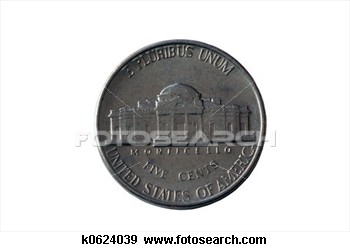
NICKELS
Eventually, nickles, which are mostly made
of copper, will start to disappear from circulation,
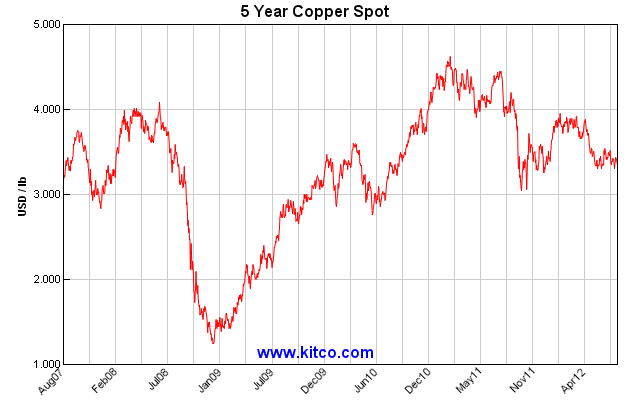
as the copper price climbs. There is now approximately
4.8 cents worth of metal in a nickel. It was higher
before the financial crisis: Close to 7 cents worth of metal.
Buy nickels. There is no downside except storage costs
or hassle.
 You need storage space and a dolly to move
them around, but a $100 box of nickels
(roughly the size of a very large brick)
can be lifted without problem. You can
stack plenty of "bricks" on a hand truck.
What's great about this investment
is that there is no downside.
In the unlikely event that there is no inflation,
you can just spend your nickles. But you will
have to "order" your nickles from your bank.
I tend to keep any one order (per bank) to around
$1,500 for both handling (lifting) purposes.
You can also buy brand shiny new nickels
from numismatic dealers for a small charge,
and obviously they don't ask any questions.
Nickels are a conservative investment
[If you have the space and the strong back]
with zero downside.
The coins will eventually climb in value as
the government relentlessly debases the
currency to at least double their 5 cent face
value price. The government has made it
illegal to melt coins down, but you will
never have to do anything close to that.
When you need to liquidate, just sell them
to a numismatic dealer. Via the magic of
black markets, the value (with a good spread)
will track the metal value.
You can monitor the value of the metal in
the nickels at the website, Coinflation.com.
United States Circulating Coinage Intrinsic Value Table
You need storage space and a dolly to move
them around, but a $100 box of nickels
(roughly the size of a very large brick)
can be lifted without problem. You can
stack plenty of "bricks" on a hand truck.
What's great about this investment
is that there is no downside.
In the unlikely event that there is no inflation,
you can just spend your nickles. But you will
have to "order" your nickles from your bank.
I tend to keep any one order (per bank) to around
$1,500 for both handling (lifting) purposes.
You can also buy brand shiny new nickels
from numismatic dealers for a small charge,
and obviously they don't ask any questions.
Nickels are a conservative investment
[If you have the space and the strong back]
with zero downside.
The coins will eventually climb in value as
the government relentlessly debases the
currency to at least double their 5 cent face
value price. The government has made it
illegal to melt coins down, but you will
never have to do anything close to that.
When you need to liquidate, just sell them
to a numismatic dealer. Via the magic of
black markets, the value (with a good spread)
will track the metal value.
You can monitor the value of the metal in
the nickels at the website, Coinflation.com.
United States Circulating Coinage Intrinsic Value Table
This table does not reflect U.S. Mint production costs, but the pure base metal value that composes the coin. Calculations are based on coin weight, metal composition, and base metal prices. The “Metal % of Denomination” column represents the percentage of metal that comprises the denomination’s purchasing power. A coin that is over 100% in this category has more base metal value than purchasing power.
Table based on August 13, 2012 closing base metal prices:
| Copper $3.3390/lb 0.0388 | Zinc $0.8180/lb 0.0090 | Nickel $6.9339/lb 0.0104 |
|
|||||||||||||||||||||||||||||||||||||||||||||||||||||||||
10 responses to “Nickels: The Perfect Investment with No Downside”